

In Florence, a historic building is no longer just an architectural landmark but a stage for stories. Every room reveals new voices, images, and emotions, transforming the Foundation’s daily life into an evolving experience that connects history with the present.
Founded in 2011 by Maestro Andrea Bocelli and his family, the Foundation has grown into a driver of cultural and social innovation. Its mission is to “unlock the potential of people and communities” by turning art, education and solidarity into real, lasting change.
Over the years, ABF has rebuilt schools, supported scientific research and created opportunities for young people in fragile contexts: from Italy to Albania, from Haiti to many other parts of the world. What makes its approach unique is the ability to transform vision into tangible spaces where creativity, learning, and resilience can flourish.
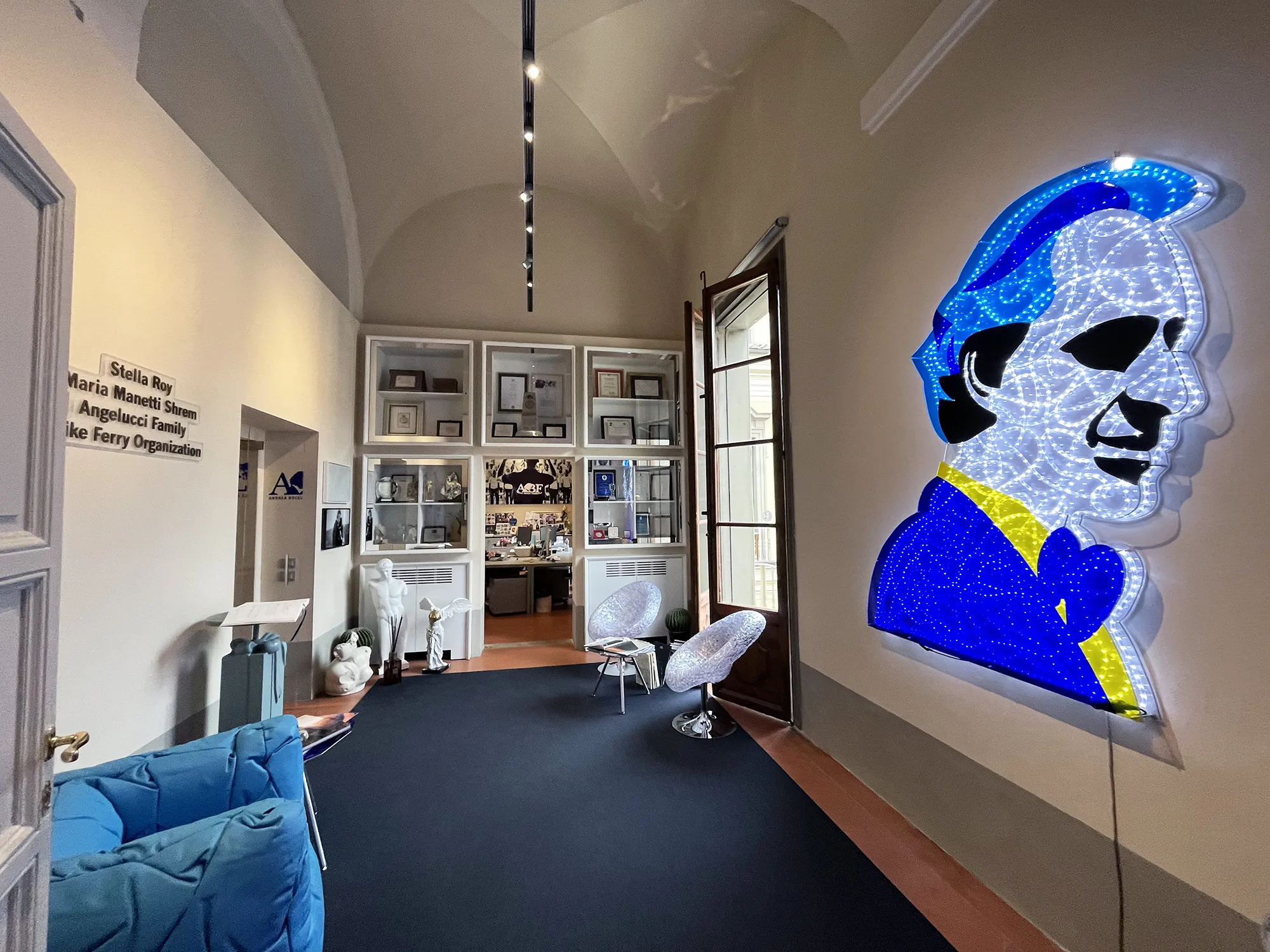
The Foundation’s headquarters is located in a historic building in Piazza San Firenze, right in the heart of the city. Restored by the Foundation itself, the site has been transformed into a cultural and educational hub dedicated to young people.
More than just an office, it is a place where music, learning and innovation meet every day. Within its walls, workshops, classes, and creative activities take shape, turning a symbol of Florence’s heritage into a living space for education and community growth.
.webp)
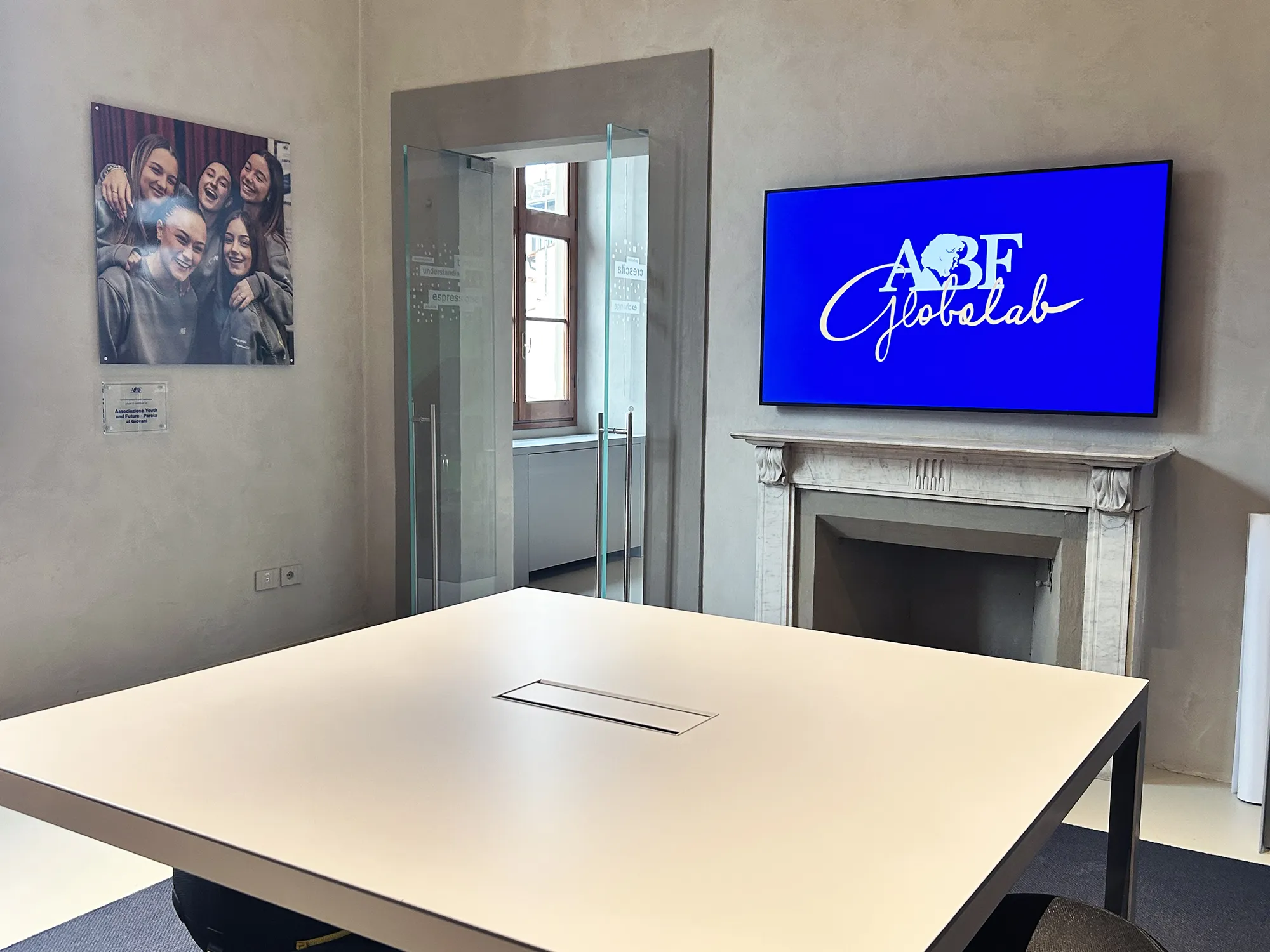
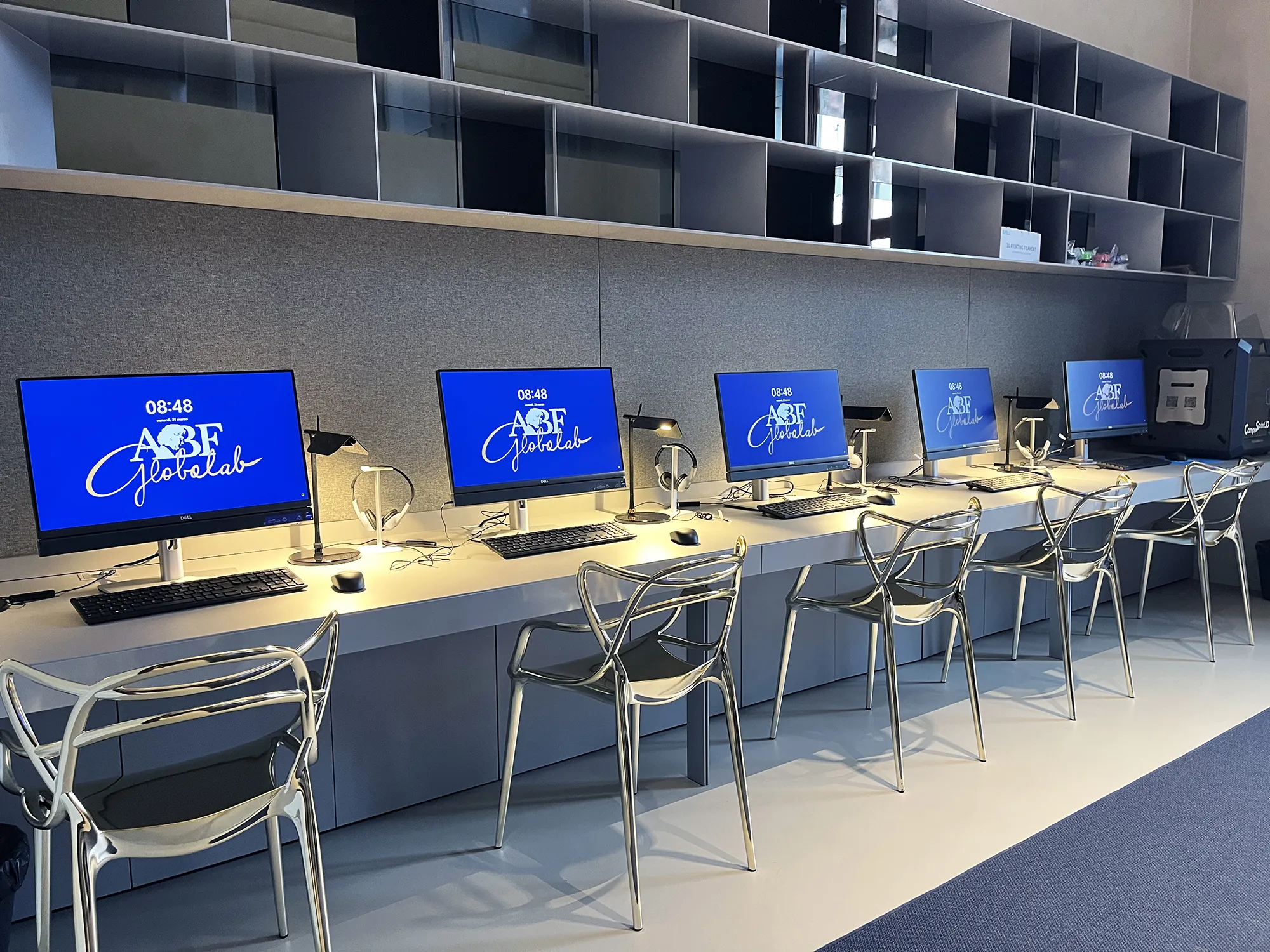
It is within this historic building that our work began. Across the Foundation’s headquarters, large displays were already part of daily life: used for lessons, meetings, and presentations. Our role was to transform this existing setup into something more: an environment where every room can respond, adapt, and tell stories.
By introducing presence sensors, wireless triggers and automated content logic, we gave the Foundation a flexible system that extends beyond a single corridor. From classrooms to shared spaces, the same screens can now shift context with a gesture, creating a living experience that is immersive, dynamic and aligned with the Foundation’s mission to make every environment speak.
.webp)
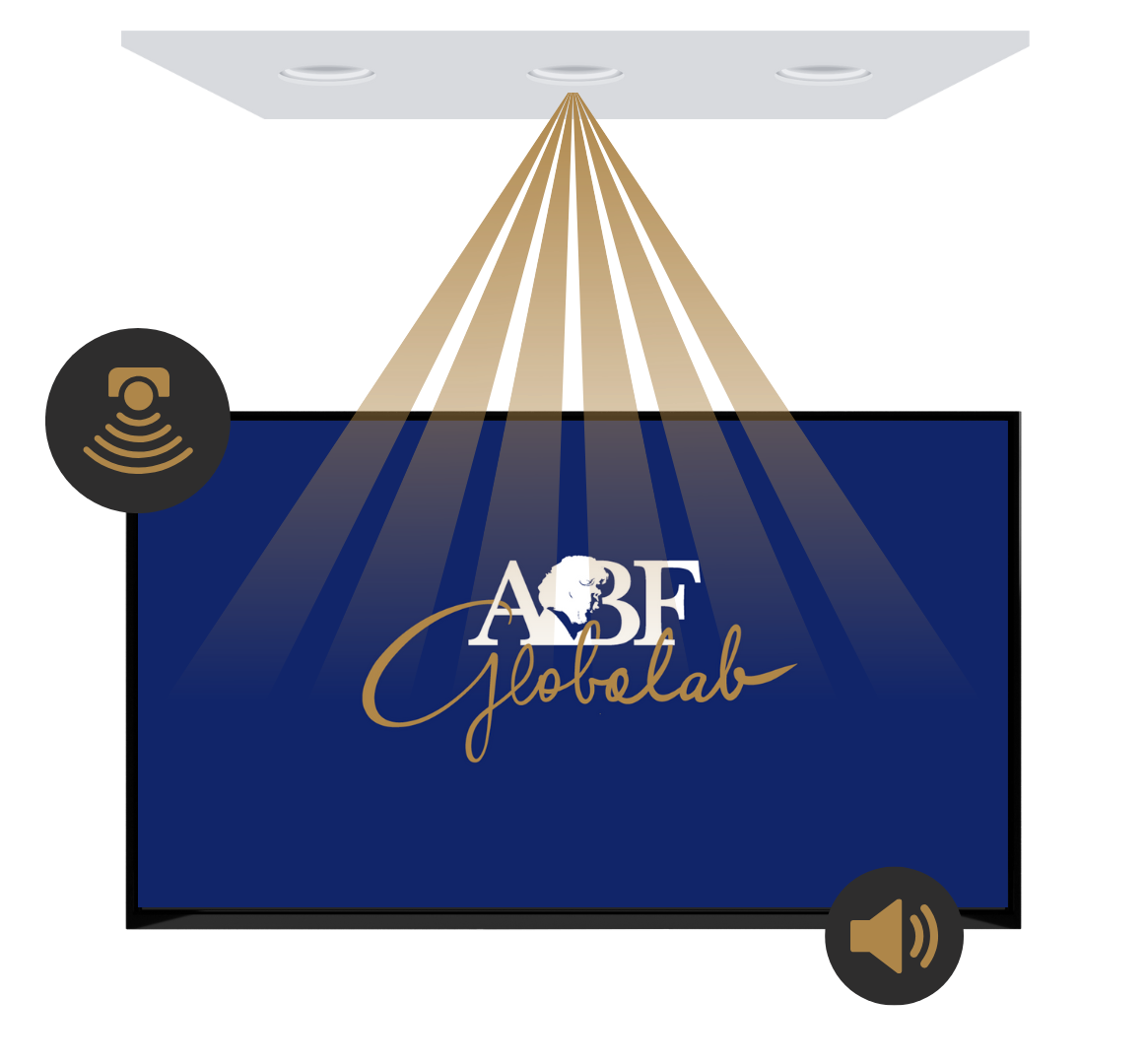
What seems like a seamless flow of images and stories is in fact a carefully designed environment where technology works in the background and people remain at the center.

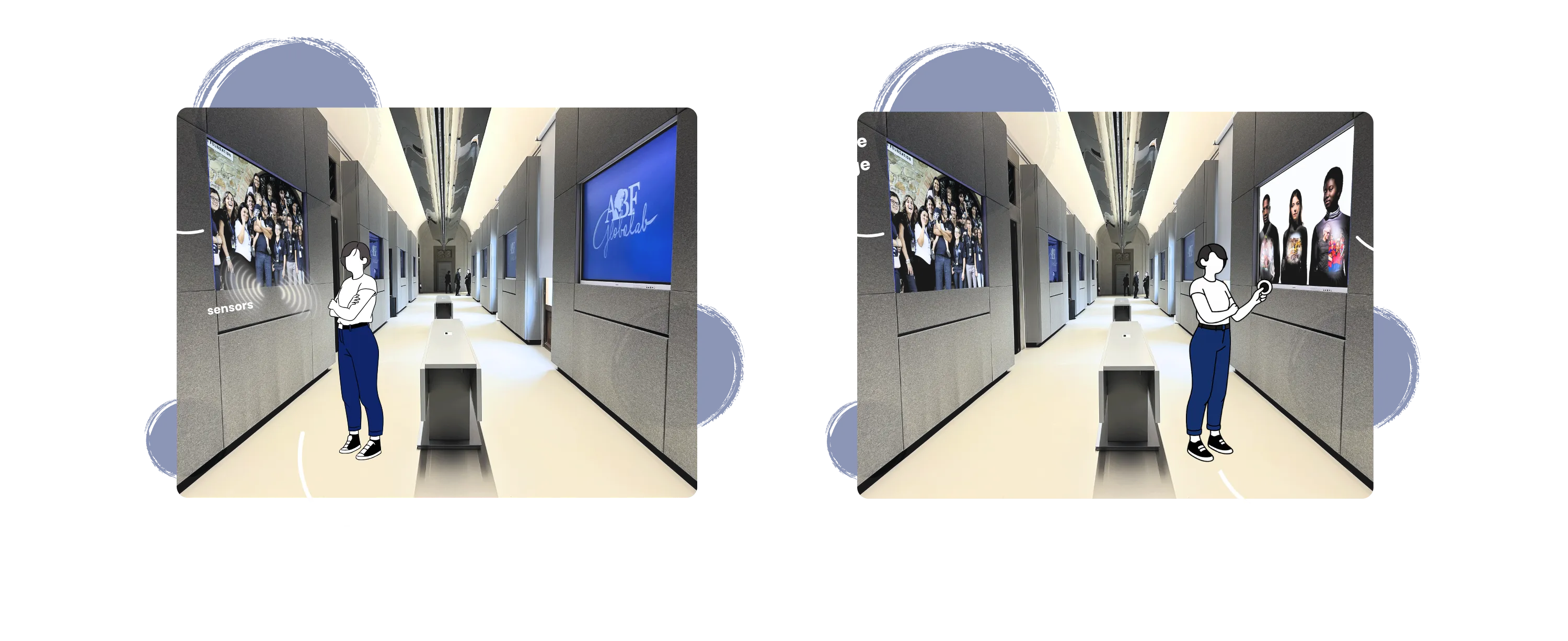
They detect movement and direction, activating different content as people walk through the space. Each step makes the gallery respond in real time.

Images and videos are automatically drawn from the Foundation’s database. Templates keep the layouts fresh and ever-
changing.

Music and soundscapes are managed alongside visual content. Audio sequences follow the narrative, making every experience richer and more engaging.

Content logic runs in the cloud while staff keep full local control. Updates and changes can be made in seconds from any device.

Lights across the Foundation’s spaces can be synchronized with the displays. Scenes adapt not only visually but also through atmosphere, enhancing immersion.

A simple click lets educators and students switch to a new scene. Stories, music or galleries can appear instantly, with no effort.
At the inauguration, visitors first entered a calm environment, with only the Foundation’s logo visible on the displays. As they moved forward, sensors activated the sequence in perfect synchronicity, and the space transformed into a living narrative. On every screen, the Foundation’s story unfolded: the bond with Maestro Bocelli, its global projectsa and the transformative power of education and music. What began as silence became emotion, turning a passage into an unforgettable experience.
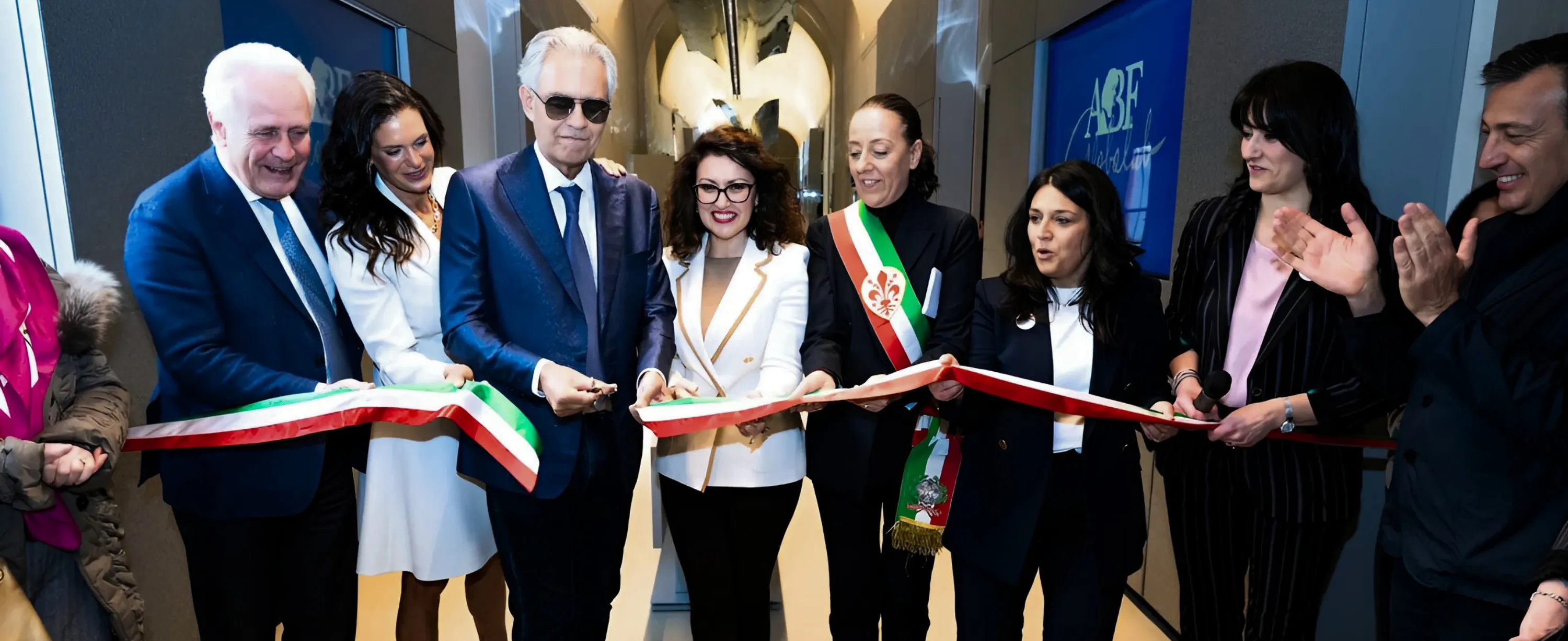
With a single click from one of the students, the space transformed into a digital photo exhibition they had created themselves. Every image was pulled directly from the Foundation’s database, automatically laid out and displayed without post-production. Their work became part of the living narrative: authentic, immediate and seamlessly integrated into the Foundation’s story.
.webp)
The installation was designed using our Experience Designer, a tool that turns complex logic into simple, visual design. With a drag-and-drop interface, we were able to orchestrate displays, lights, sound and scenarios in just a few steps. What could have been a highly technical process became intuitive and accessible, showing how even sophisticated experiences can be built with clarity and ease.

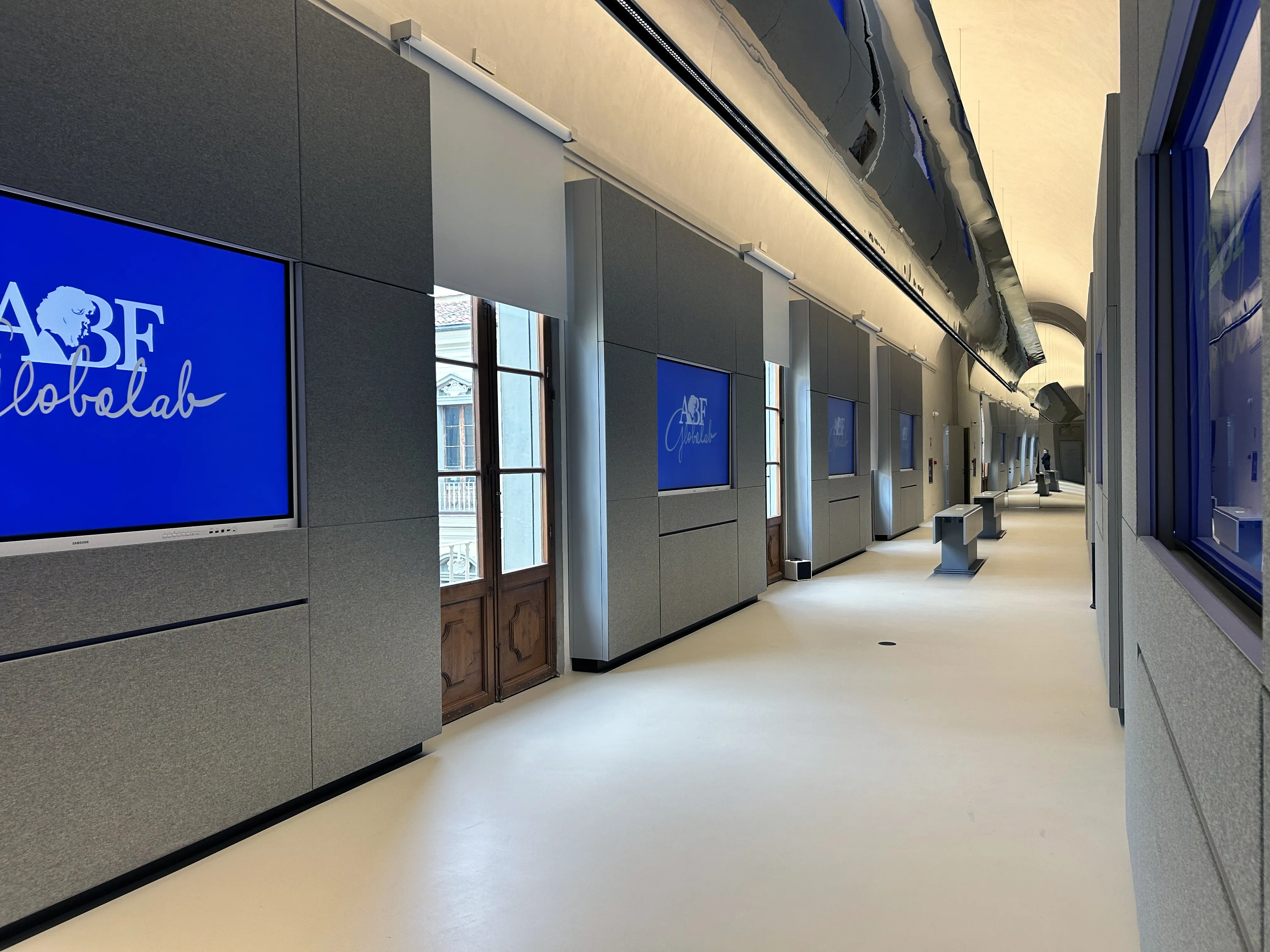
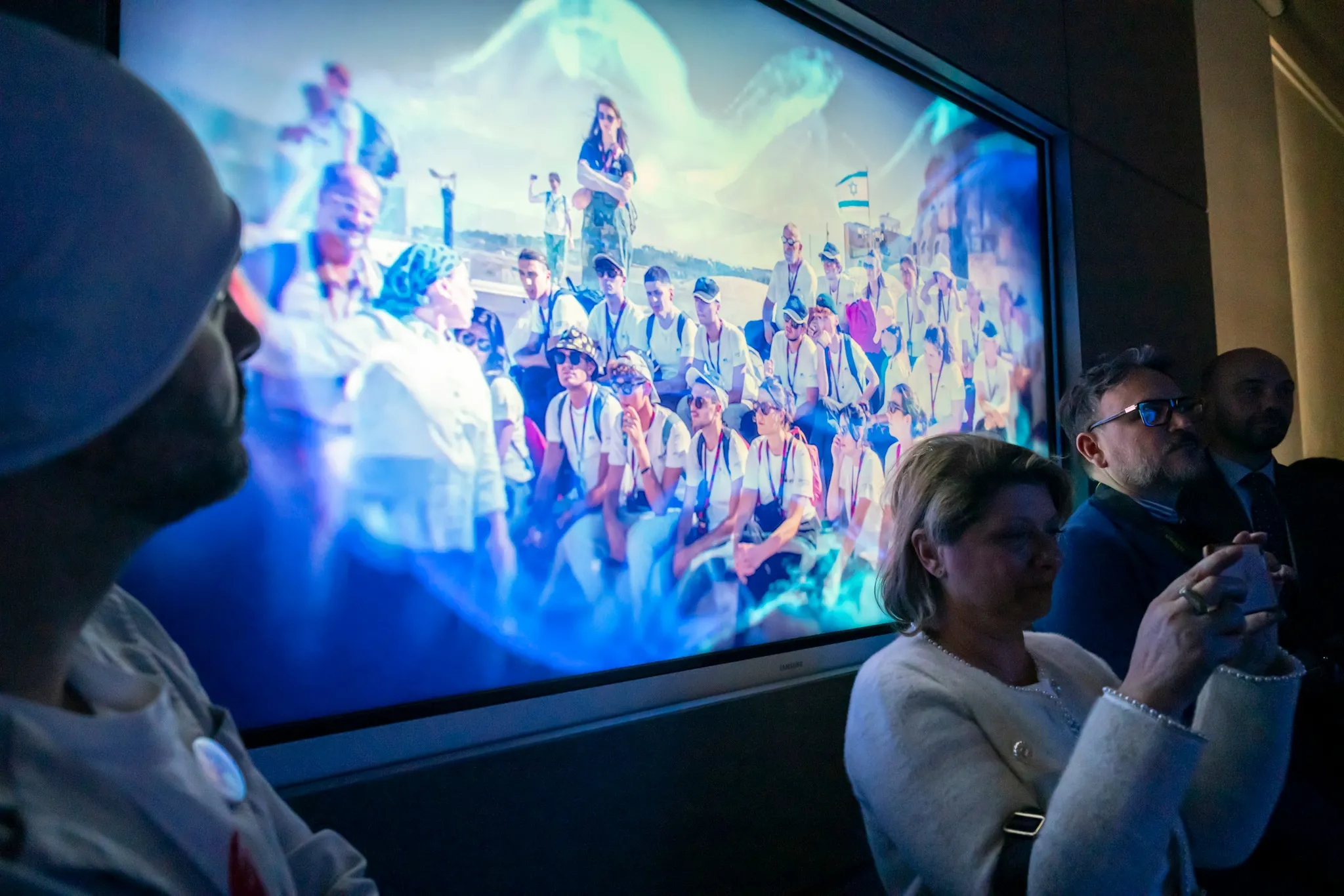
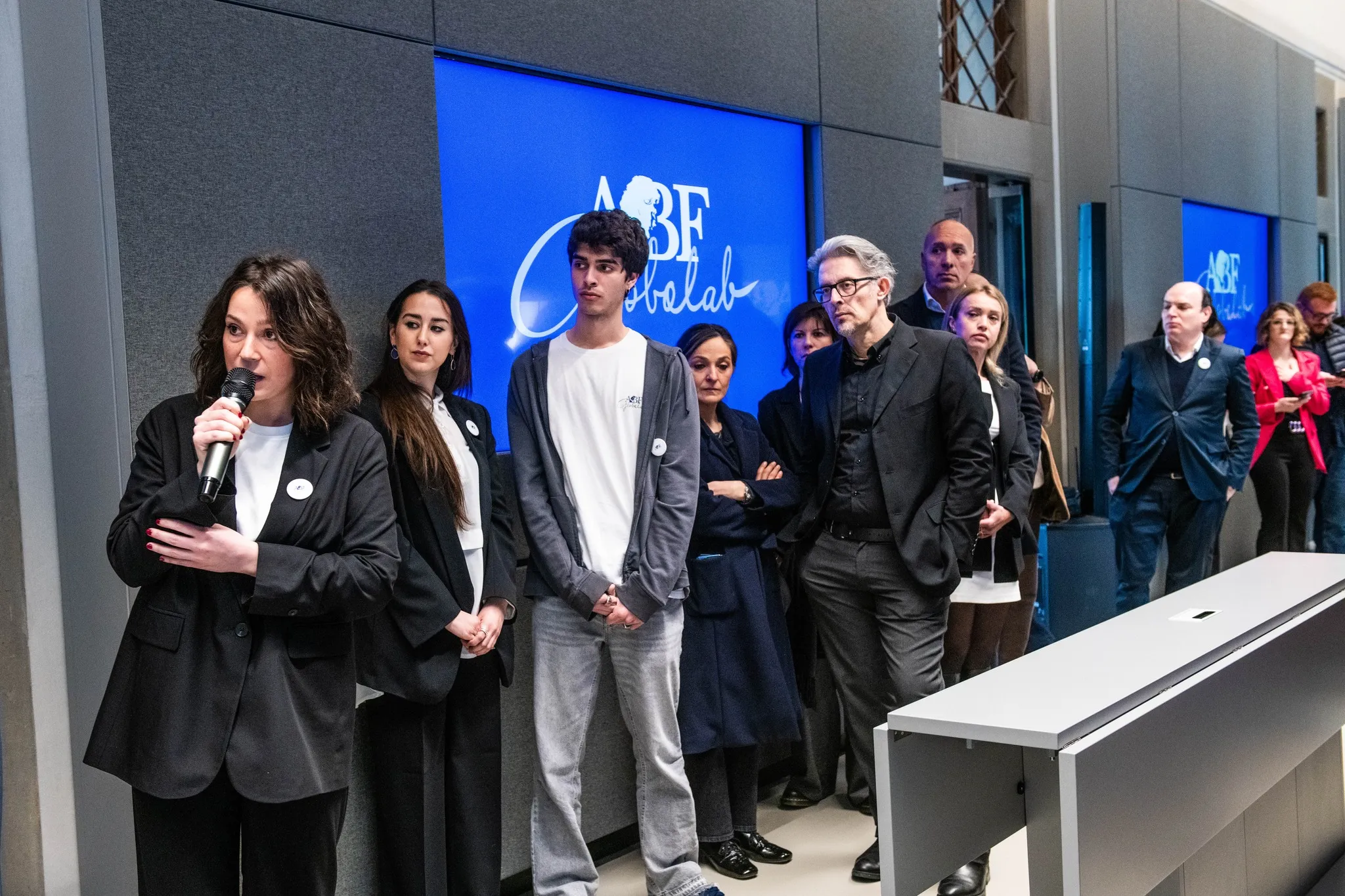
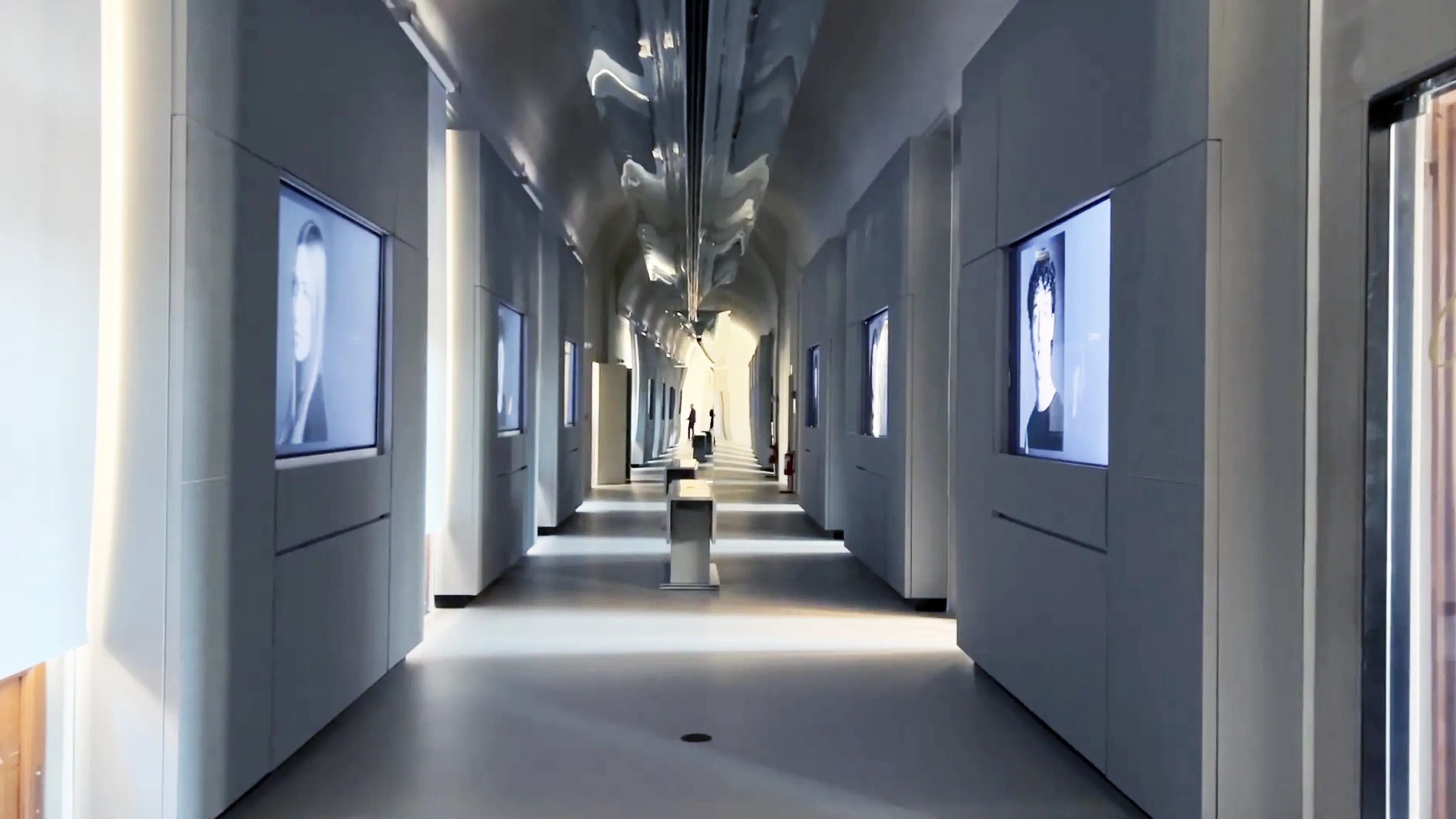
The installation proved to be more than a one-time event: it quickly became part of the Foundation’s daily life. Teachers and students use it in lessons, visitors experience its emotional impact and staff can update content independently, making the system a living tool for education and storytelling.
Educators and students use the system every day, beyond formal events.
The Foundation’s team updates content in minutes, with no external support.
From global project updates to student work, all content lives in one system.
Visitors and staff consistently report emotional impact and active participation.