


Every morning in Viareggio, one of Italy’s most traditional fish auctions comes to life. What once relied only on raised hands and quick instincts is now powered by AI, real-time data and digital signage. The result is a seamless blend of heritage and innovation, where every crate, every bid, and every buyer is connected in seconds.
A centuries-old practice that transforms the arrival of fresh fish into a dynamic marketplace of voices, bids and stories.

Fresh fish arrives in the city, straight from the sea.

Merchants and restaurant owners gather at the Fish Market.

Each crate is weighed and labeled by type and size.

A starting price is set, and buyers place their bids.

The auction runs for about two and a half hours.
We brought full automation to the process, turning tradition into
a seamless digital experience.

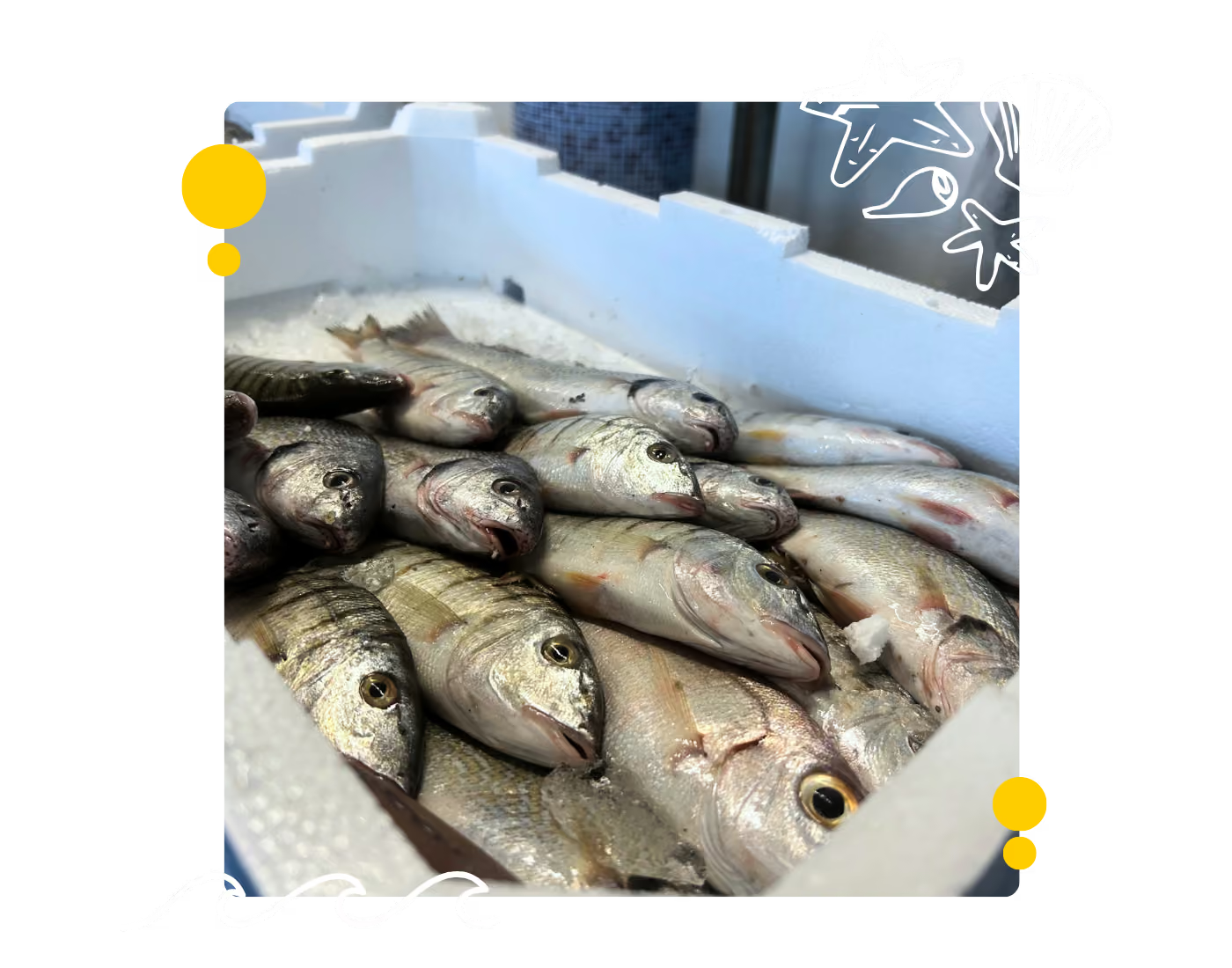
Fresh crates arrive directly from the boats to the Fish Market. Before anything moves onto the conveyor, the operator in the control room logs each one into the digital system. Every batch is linked to its vessel of origin, with the number of crates, type of catch and expected value all recorded. This step ensures that nothing is left to chance: from the very beginning, every lot has a digital identity that follows it throughout the auction.
From the control room above the hall, the auction manager oversees the process on two screens. As each crate reaches the conveyor, she checks its key data: vessel, weight, species, photo and starting price. Once verified, she triggers the auction and the lot is ready to appear on the displays.
.avif)
.avif)
As the crate travels on the conveyor, it is automatically weighed while an AI-powered camera takes a photo. In that same moment, the system recognizes the fish species, pairs it with the exact weight and calculates the suggested starting price. All data flows instantly to the control room, where the operator validates it before the lot is released for auction.
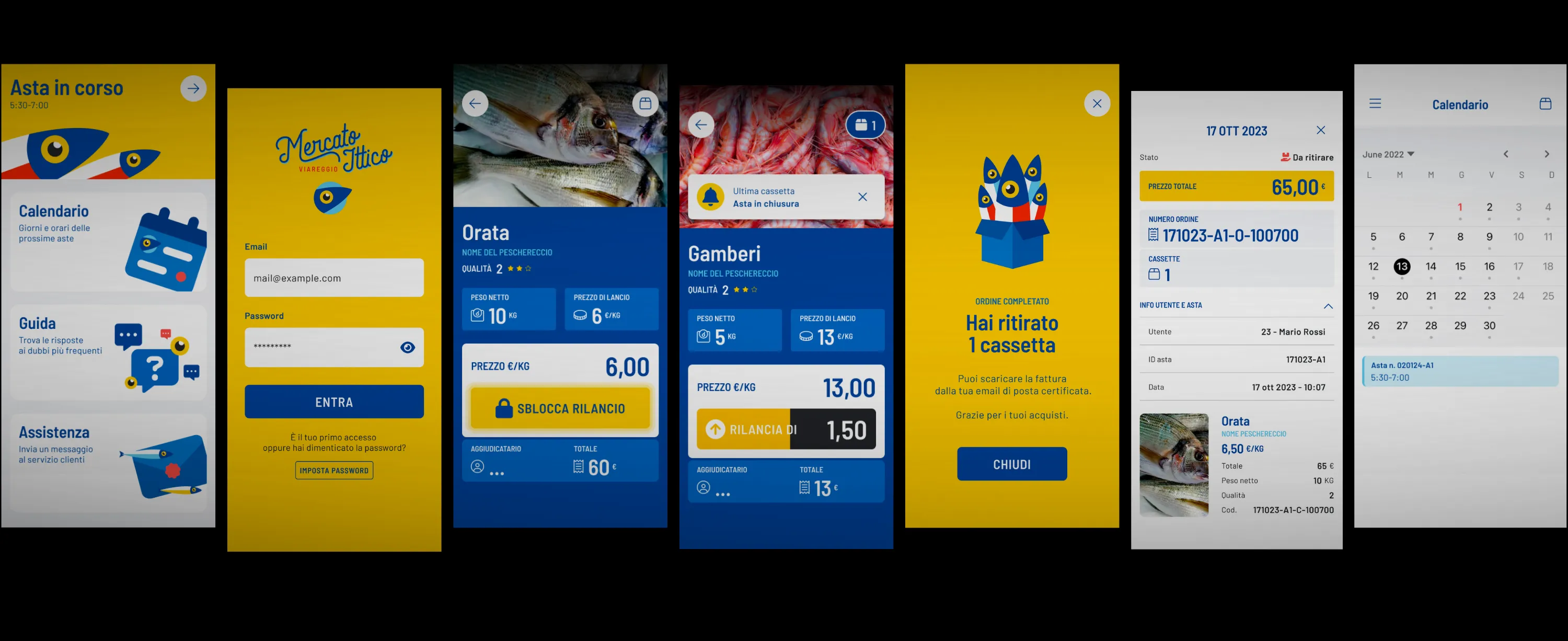
As soon as the operator gives her approval, the auction officially starts. In under two seconds, the photo, species, weight and starting price appear on the large displays in the market hall and, at the same time, on every buyer’s smartphone through the Fish Market's app. Whether they are standing in the room or following from home, all participants receive the exact same real-time information.
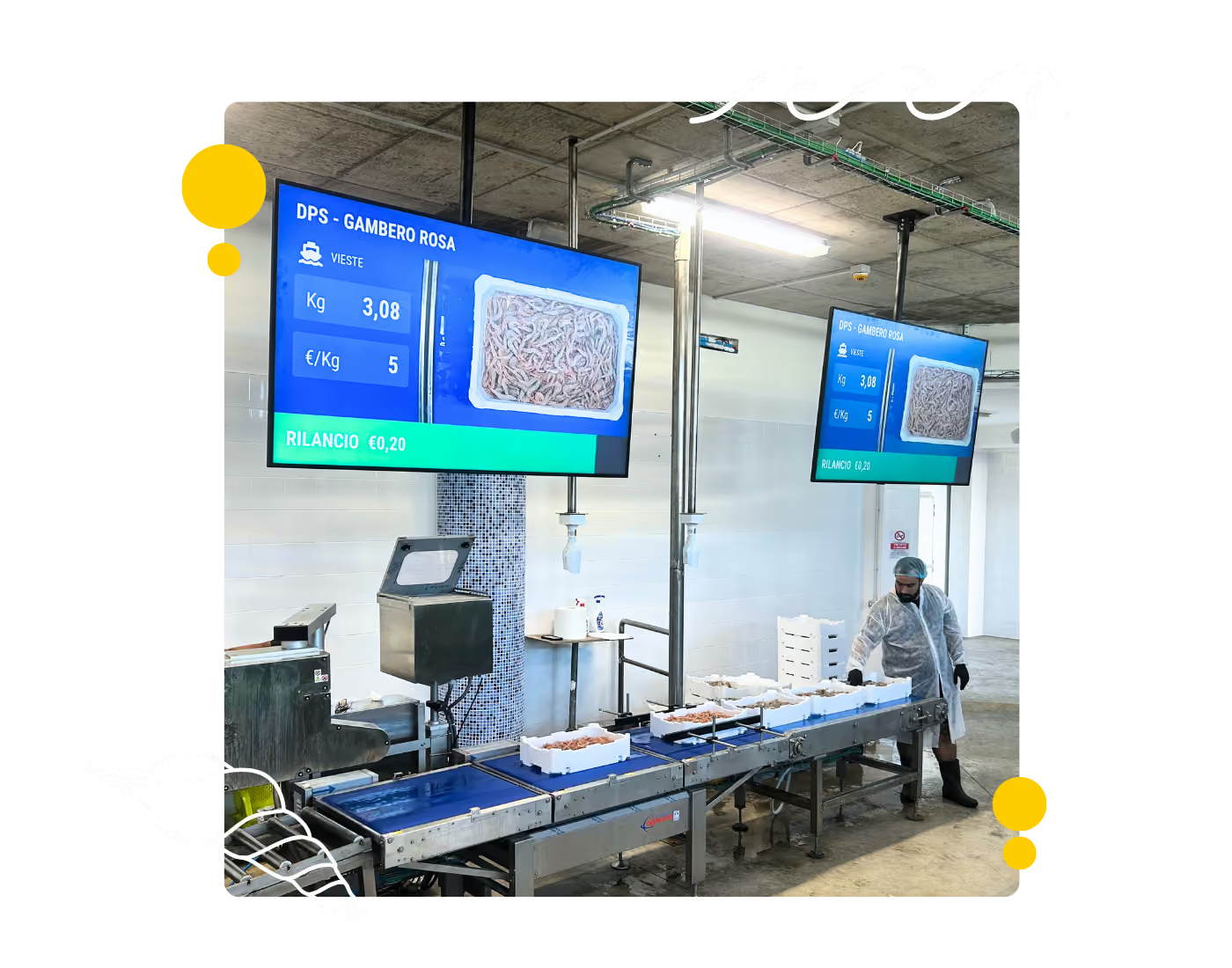
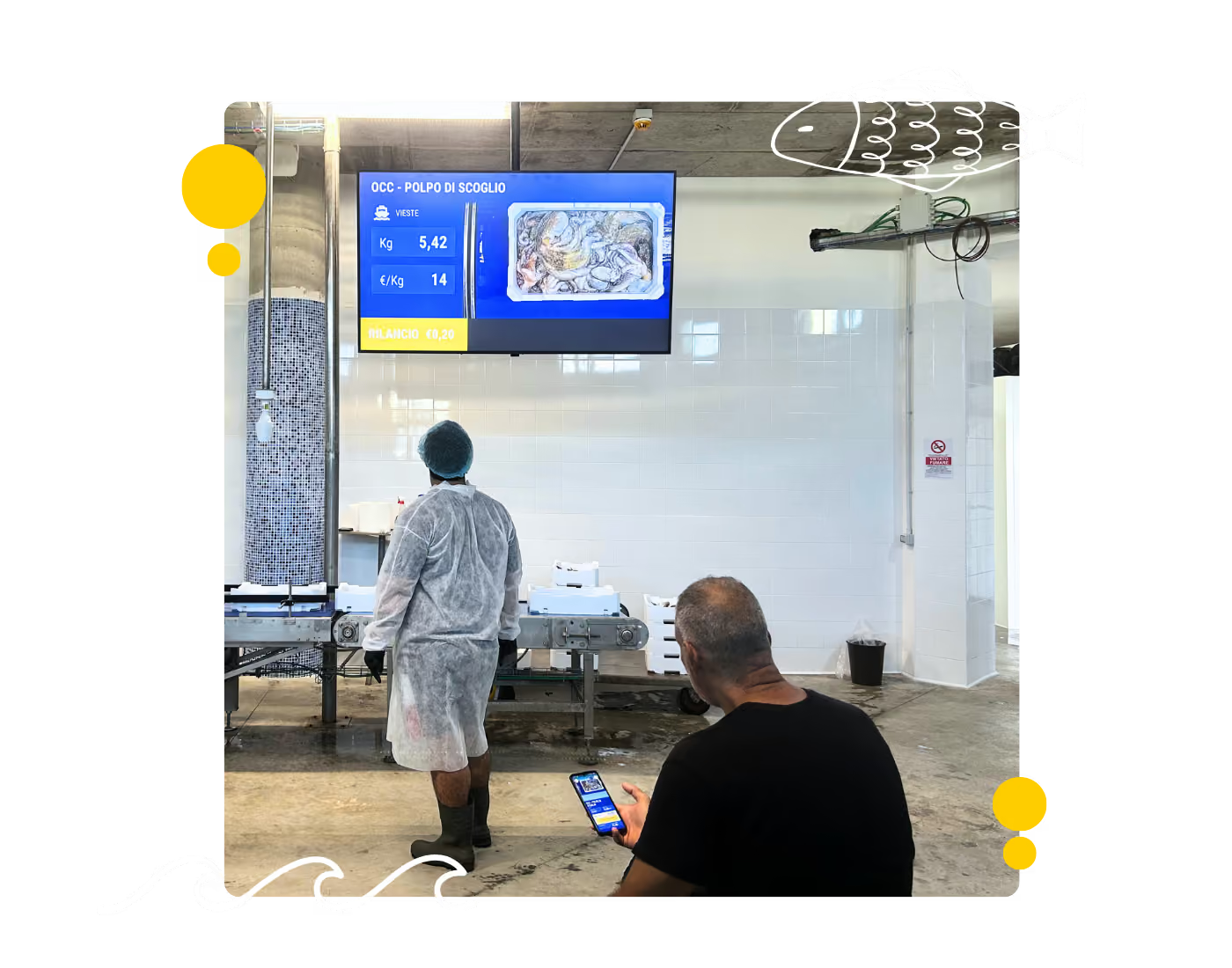
With the lot live, the bidding starts. Buyers in the hall follow the big displays, while remote participants place their offers directly from the app.
Each new bid appears instantly on the screen, keeping everyone aligned in real time and preserving the fast pace and excitement of the traditional auction.
When the bidding closes, the final price is confirmed through the app and on the displays. An automatic label is immediately printed with the buyer’s name, the winning price and all product details, then attached to the crate before it is handed over to its new owner.
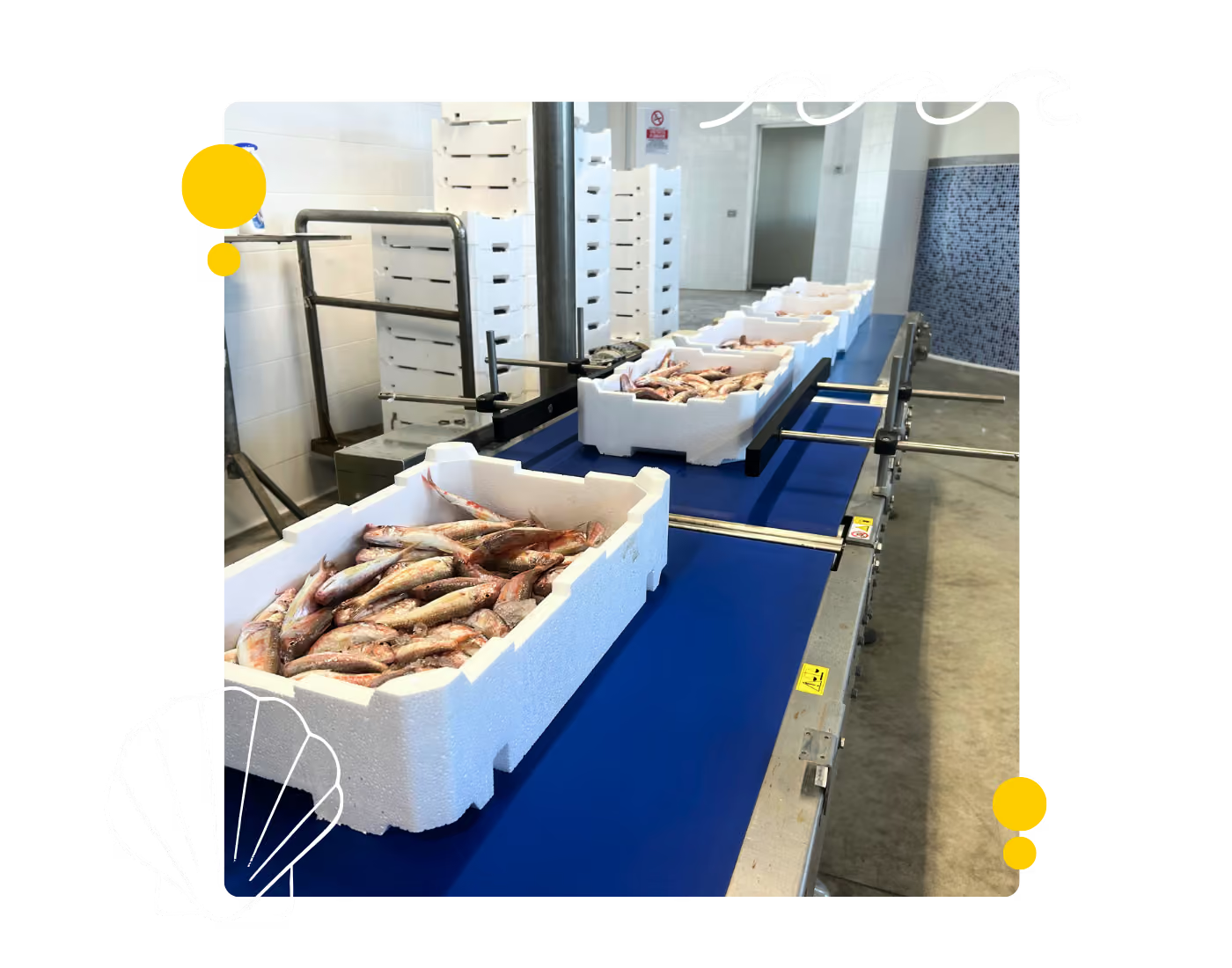
The transformation of the Viareggio fish auction can be measured in hard numbers: faster, more accurate and more inclusive than ever before.
The number of lots handled in each auction has grown dramatically, boosting efficiency and volume.
Each lot now takes nearly half the time to process, keeping the auction’s rhythm fast and dynamic.
Remote buyers now engage four times more than before, compared to the old phone-based system.
Auction recording errors, once frequent, have been reduced to virtually zero.